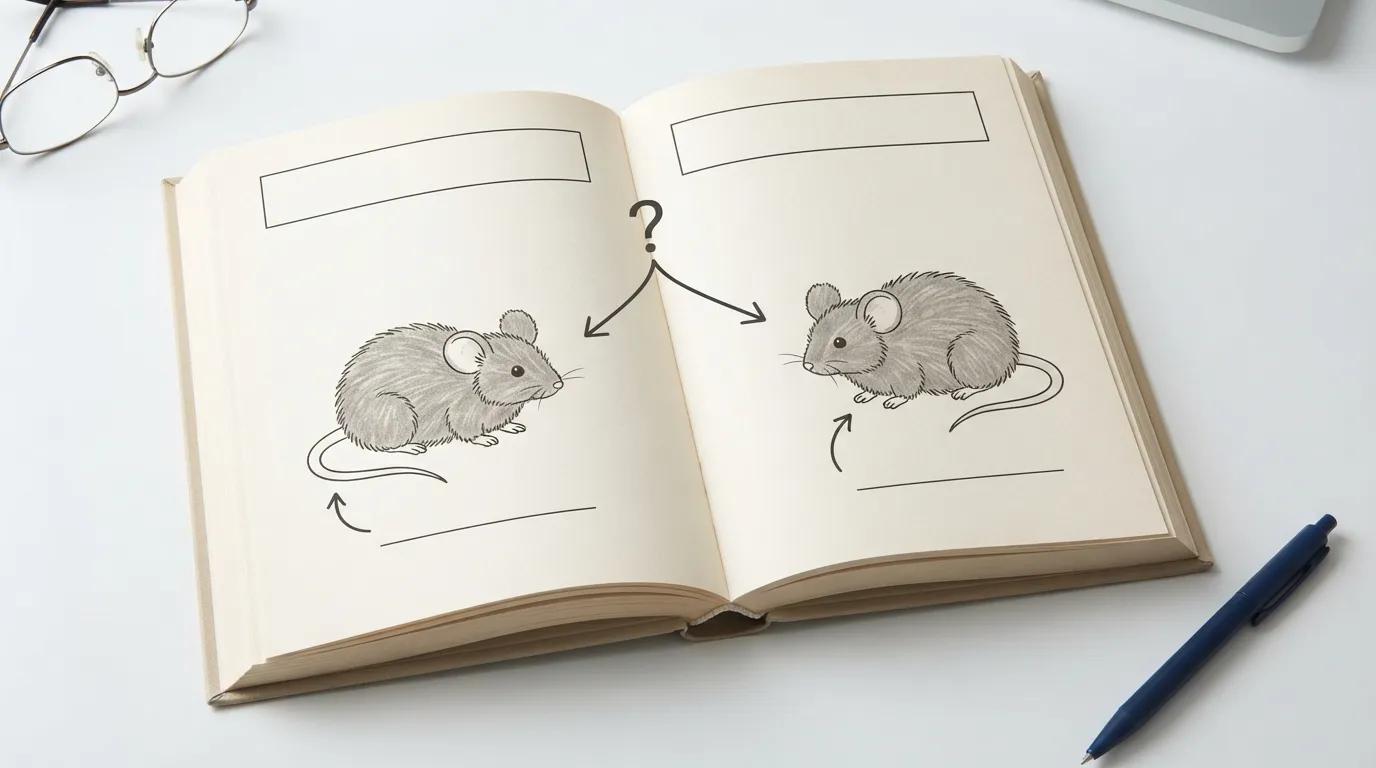
You’re describing a cloudy sky and stop mid-sentence. Is it “gray clouds” or “grey clouds”?
Here’s the short answer: gray is standard in American English, and grey is standard in British English. Both are correct — it just depends on your audience.
Did You Know? 🔍
“Greyhound” is always spelled with an “e,” even in American English, no matter which spelling you use for the color. The word’s origin actually has nothing to do with the color gray at all — it comes from an Old English word for a female dog.
Quick Answer Box
Gray (with an “a”) is the standard spelling in American English. Grey (with an “e”) is standard in British English, as well as in Canada, Australia, and most other English-speaking countries. Both spellings are correct depending on your audience.
⚡ Quick Rule in 1 Line
“A” for America, “E” for England — gray and grey follow the same split as most US/UK spelling pairs.
American vs British Spelling
In the United States, gray is overwhelmingly the preferred spelling, and has been since at least the early 1800s. Outside the US — including the UK, Canada, Australia, and New Zealand — grey is the standard choice. Merriam-Webster confirms gray is more frequent in American English, while grey is more common in Canada, the UK, and elsewhere.
Exceptions Worth Knowing
A few terms keep their spelling no matter which English you’re using. Greyhound, the dog breed, is always spelled with an “e,” even in American writing — its name comes from an Old English word unrelated to the color. Brand names like Grey Poupon and Grey Goose, and titles like Grey’s Anatomy and Fifty Shades of Grey, also keep their original “e” spelling regardless of region, since they’re proper nouns.
Comparison Table
| Word Form | American English | British English |
|---|---|---|
| Base word | gray | grey |
| Verb (present) | grays | greys |
| Present participle | graying | greying |
| Past tense | grayed | greyed |
| Dog breed (always) | greyhound | greyhound |
Example Sentences
American English:
- The man wore a dark-gray suit to the interview.
- Her hair started graying in her early thirties.
- The gray clouds signaled an approaching storm.
- Scientists study gray matter to understand brain function.
- The gray whale migrates thousands of miles each year.
British English:
- The woman wore a light-grey coat to work.
- London’s sky often looks grey and overcast.
- His hair had greyed considerably by retirement.
- The grey mare won the race easily.
- Grey matter plays a key role in memory and thought.
❌ Incorrect (for American writing): “The gray hound waited by the door” (should be “greyhound,” one word, always with an “e”) ✅ Correct: “The greyhound waited by the door.”
❌ Incorrect (mixing spellings): “The grey suit had gray buttons.” ✅ Correct: Pick one spelling and stay consistent — “The grey suit had grey buttons,” or “The gray suit had gray buttons.”
Common Mistakes
- Mixing gray and grey within the same document instead of picking one and staying consistent.
- Spelling “greyhound” as “grayhound” in American writing — this is always incorrect, since the dog breed keeps its “e” everywhere.
- Assuming Canadian English always follows American spelling — it usually favors “grey,” closer to British convention.
When to Use Each Form
Use gray when writing for an American audience or publication. Use grey when writing for a British, Canadian, Australian, or other Commonwealth audience. For proper nouns like brand names, titles, or the greyhound breed, keep the original spelling regardless of your audience.
Expert Tip 💡
If you’re writing for an international audience and unsure which to use, check your style guide first — AP Style (American) uses “gray,” while most UK and international style guides default to “grey.”
Common Misconception
Many people assume “grey” is simply a misspelling of “gray,” but that’s not accurate — grey is actually the older spelling, dating back roughly 1,300 years, while “gray” became the dominant American form more recently.
FAQs
Is gray or grey more correct?
Neither is more correct — gray is standard in American English, and grey is standard in British English and most other English-speaking countries.
Why is greyhound always spelled with an “e”?
Its name comes from an Old English word unrelated to the color gray, so the spelling doesn’t follow the usual American/British color-spelling split.
Does Canada use gray or grey?
Canadian English generally follows British convention, preferring “grey,” though American influence means “gray” also appears.
Is “grey” older than “gray”?
Yes, grey has been used in English for centuries longer, while gray became the dominant American spelling more recently, especially through the 19th century.
What’s the correct spelling for gray/grey matter?
Both spellings are used in scientific writing, following the same American (“gray matter”) versus British (“grey matter”) pattern.
Is Grey Poupon spelled with an “e” in America?
Yes, since it’s a brand name and proper noun, it keeps its original “e” spelling everywhere, regardless of regional color-spelling preferences.
Which spelling does AP Style use?
AP Style follows American English conventions, so it uses “gray.”
Can I use gray and grey interchangeably in one piece of writing?
It’s best to pick one spelling based on your audience and use it consistently throughout the entire piece.
Conclusion
Gray and grey mean exactly the same thing — the choice comes down to your audience. American English uses gray, while British and most other English-speaking countries use grey.
Watch for exceptions like greyhound and brand names, which keep their spelling no matter where you’re writing from.

Hi, I’m Daniel Carter. I’m passionate about helping learners improve their English with practical grammar tips and clear writing advice.








Thanks for sharing your thoughts! You’re right that **“each other”** is the standard and accepted spelling, while **“eachother”** is generally considered incorrect in standard English. We appreciate you adding this helpful point to the discussion!