Alot or A Lot: Which Is Correct? (Meaning & Examples) 2026
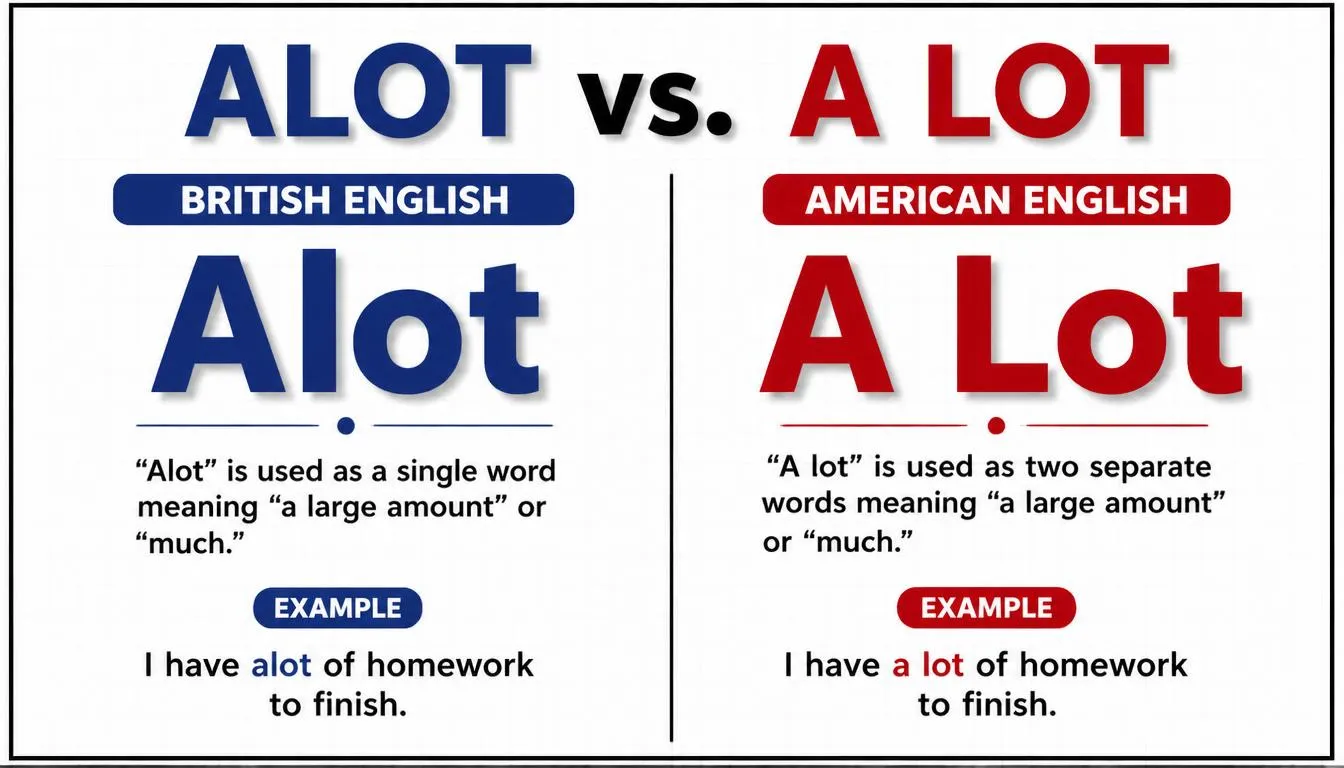
“Alot” is never correct — it’s always two separate words: “a lot.” “Alot” shows up so often in casual writing ...
Read more
Lead or Led: Which Is Correct? Meaning & Examples
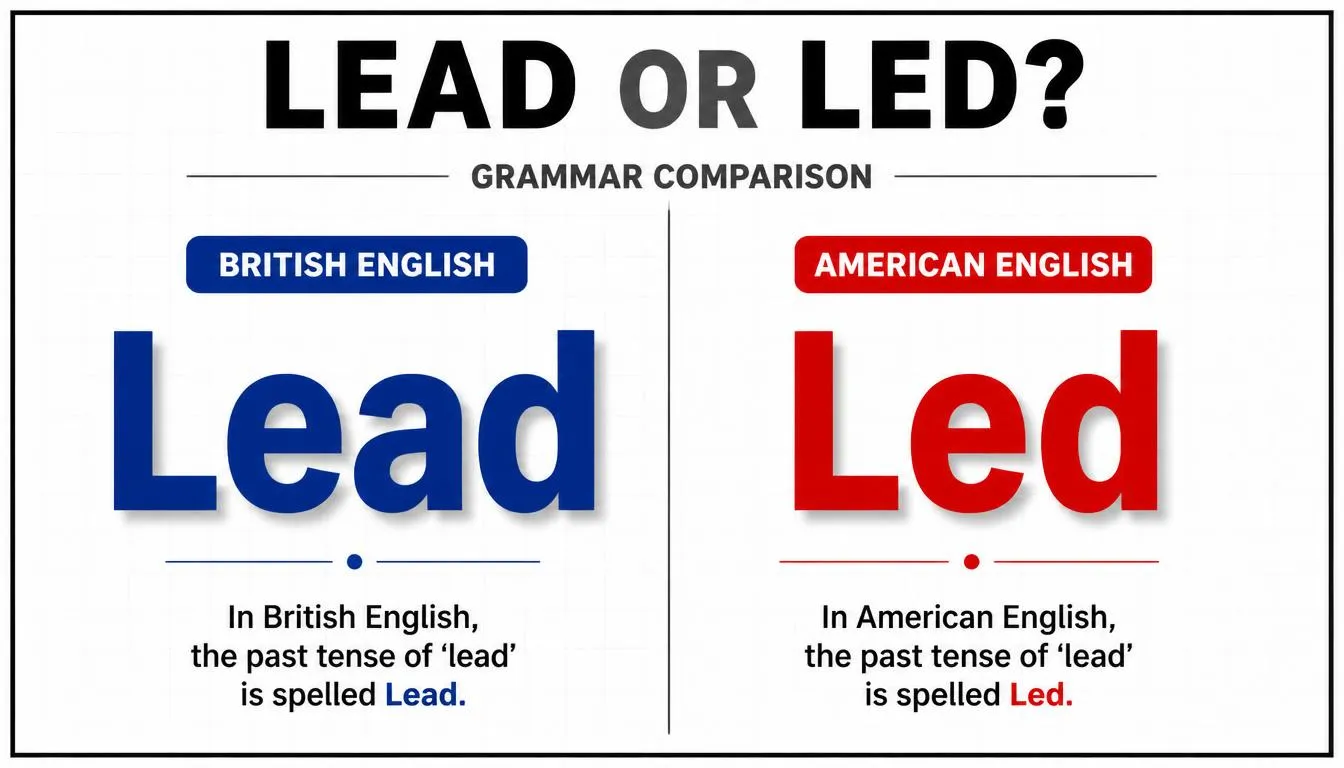
Lead is present tense, led is past tense — never spell the past tense as lead. You proofread your report ...
Read more
Toward or Towards: Which Spelling Is Correct?
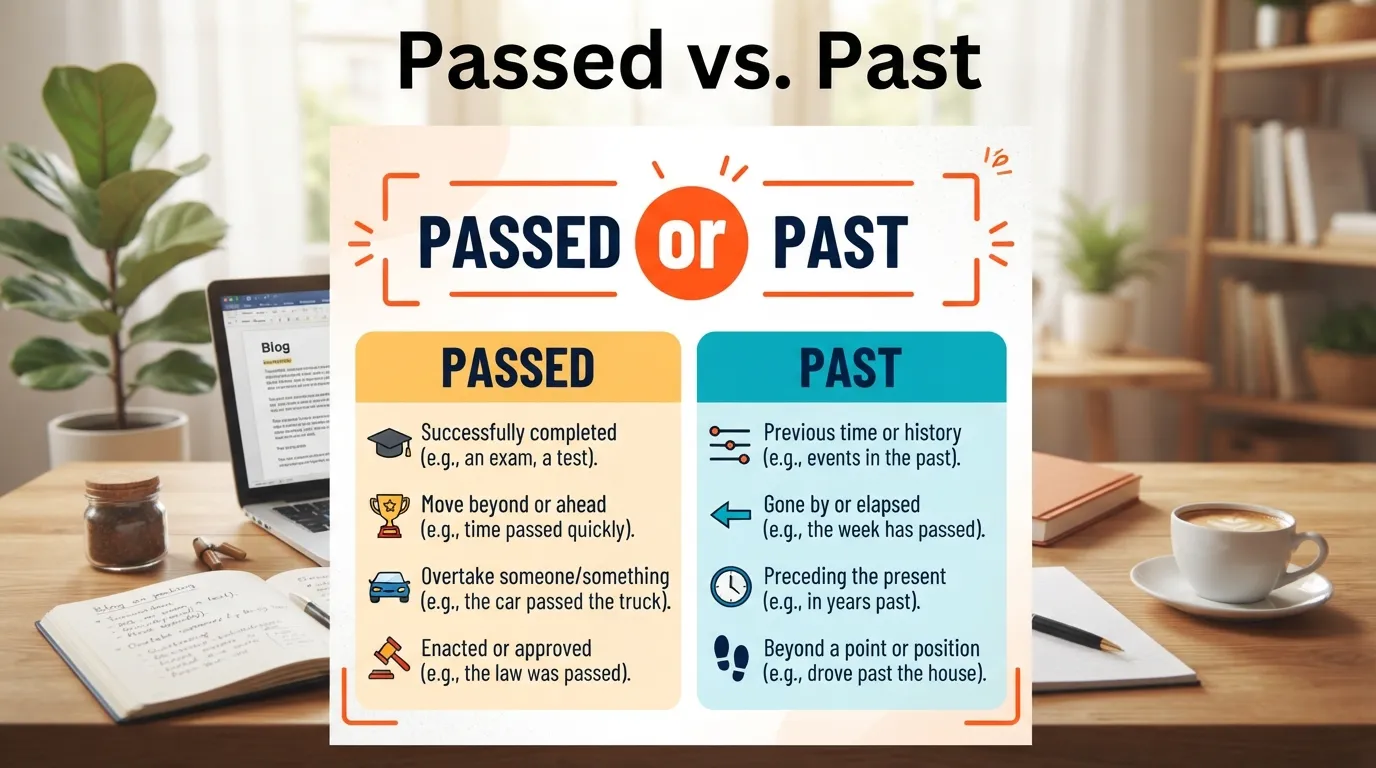
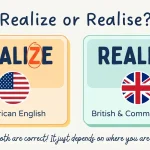
Toward or towards which one should you use, and is there actually a difference between them? Toward American English, towards ...
Read more
In Case or Incase: Which Spelling Is Correct?
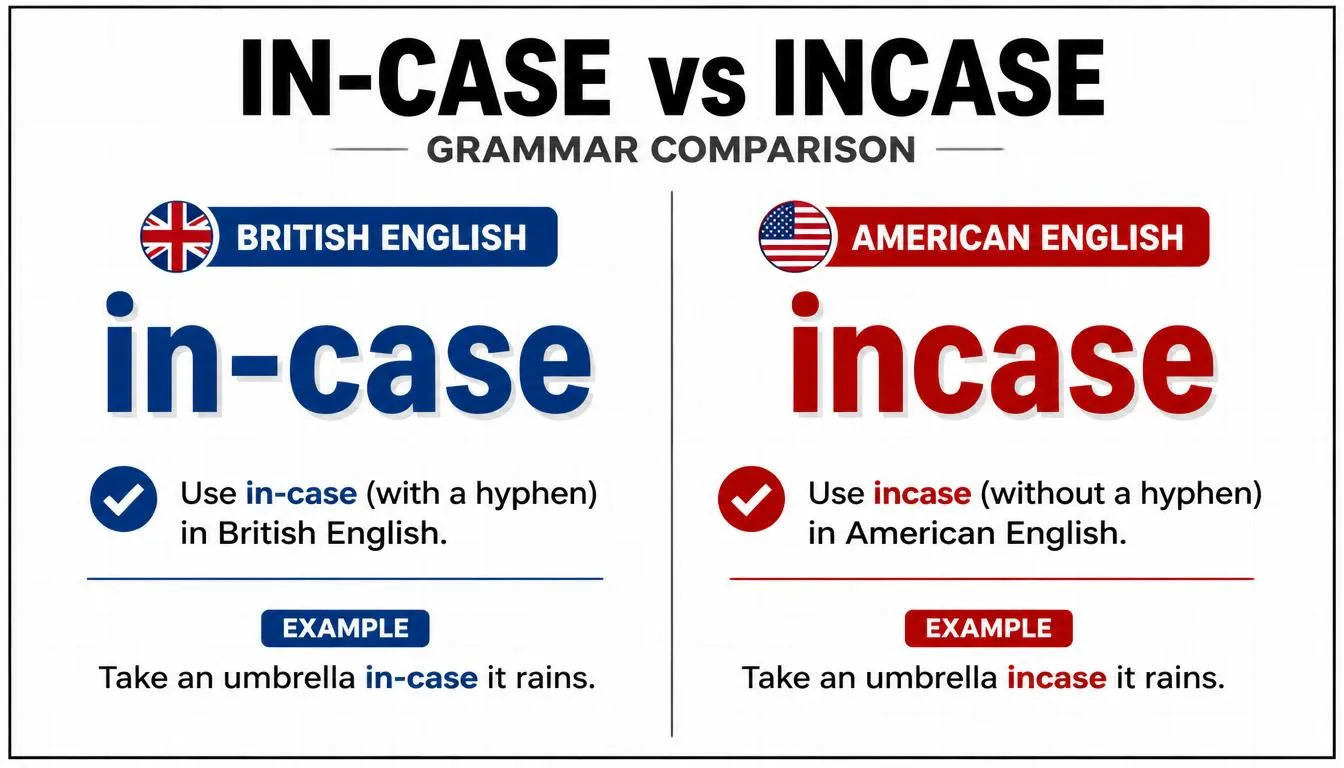
“Incase” is never correct — the phrase is always two words: “in case.” You typed “bring a jacket incase it ...
Read more
Flier or Flyer: Which Spelling Is Correct?

Flyer works for ads almost everywhere; flier leans toward people or things that fly. A small business owner once asked ...
Read more
Etc or Ect: Which Spelling Is Correct?
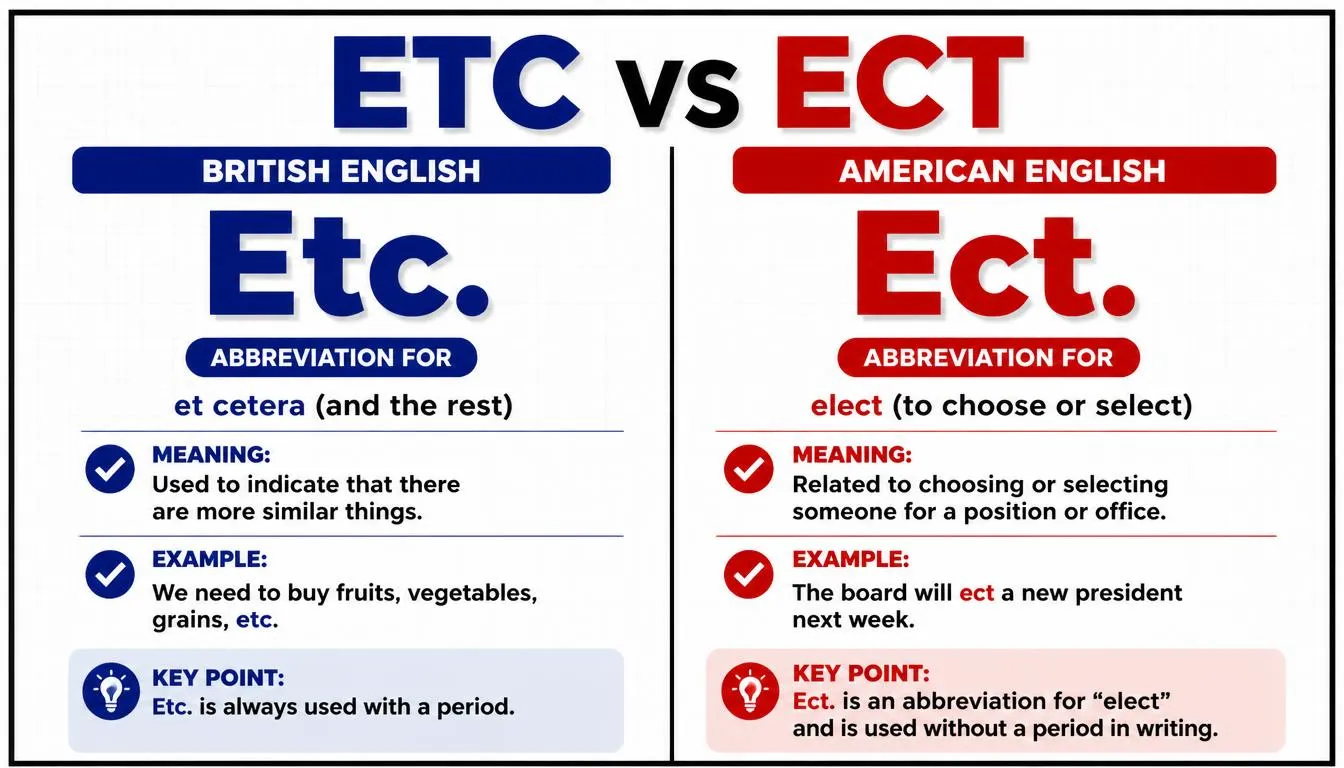
Etc. starts with “et,” matching “et cetera” — ect is always a misspelling here. A student once submitted an essay ...
Read more
Hear vs Here: Which One Is Correct?
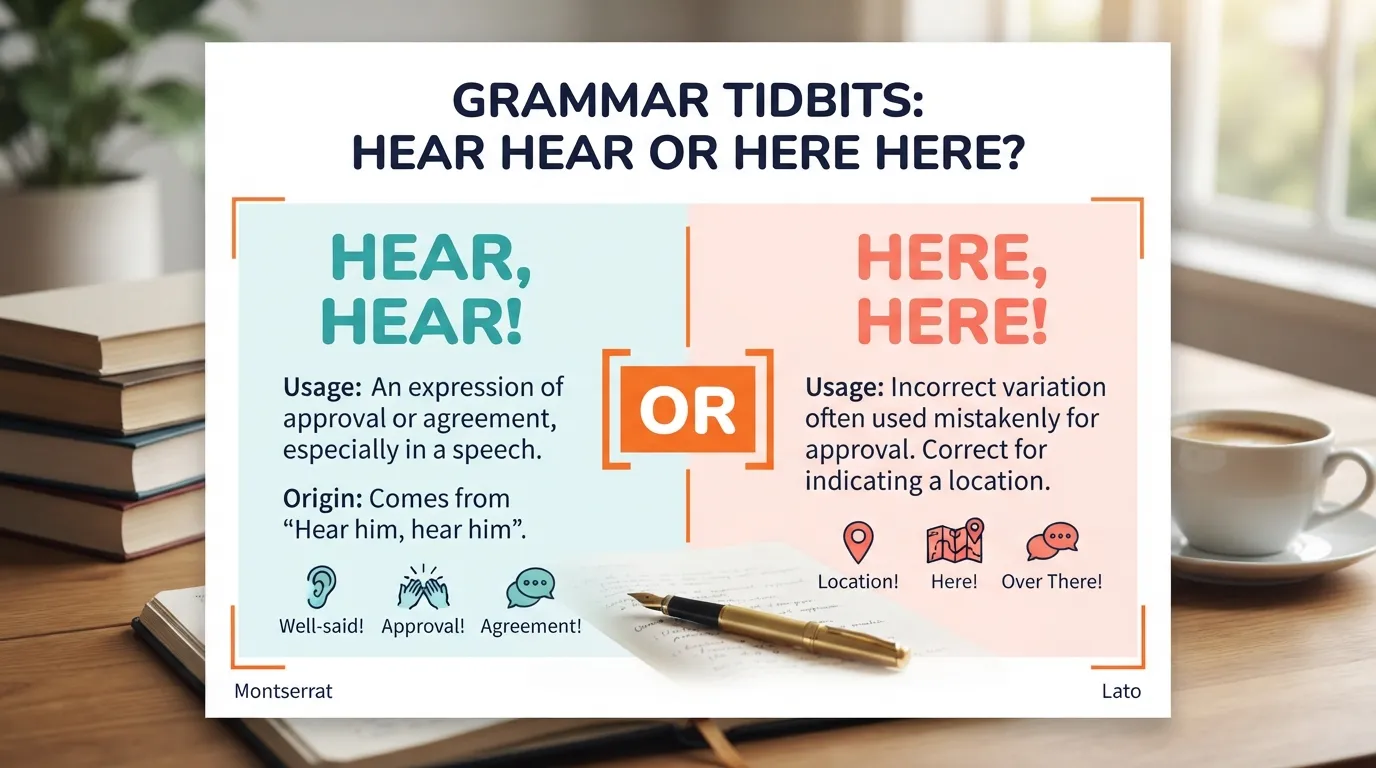
A student once wrote “here here” in a debate paper to show agreement with a speaker, and their teacher circled ...
Read more
Whose or Who’s: What’s the Difference? (With Examples)
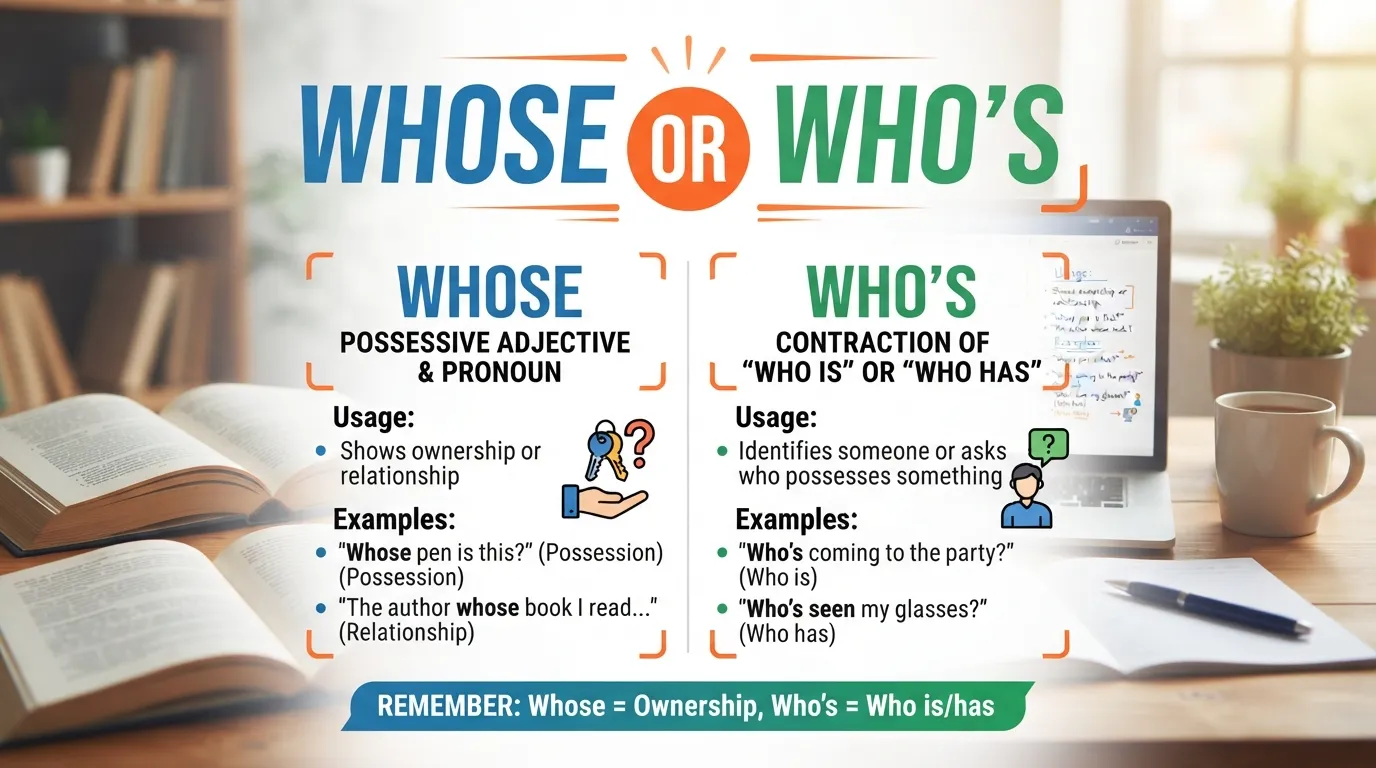
You texted “who’s phone is this,” and your friend replied with a screenshot circling the mistake in red. Here’s the ...
Read more
It’s or Its: What’s the Difference? (With Examples)
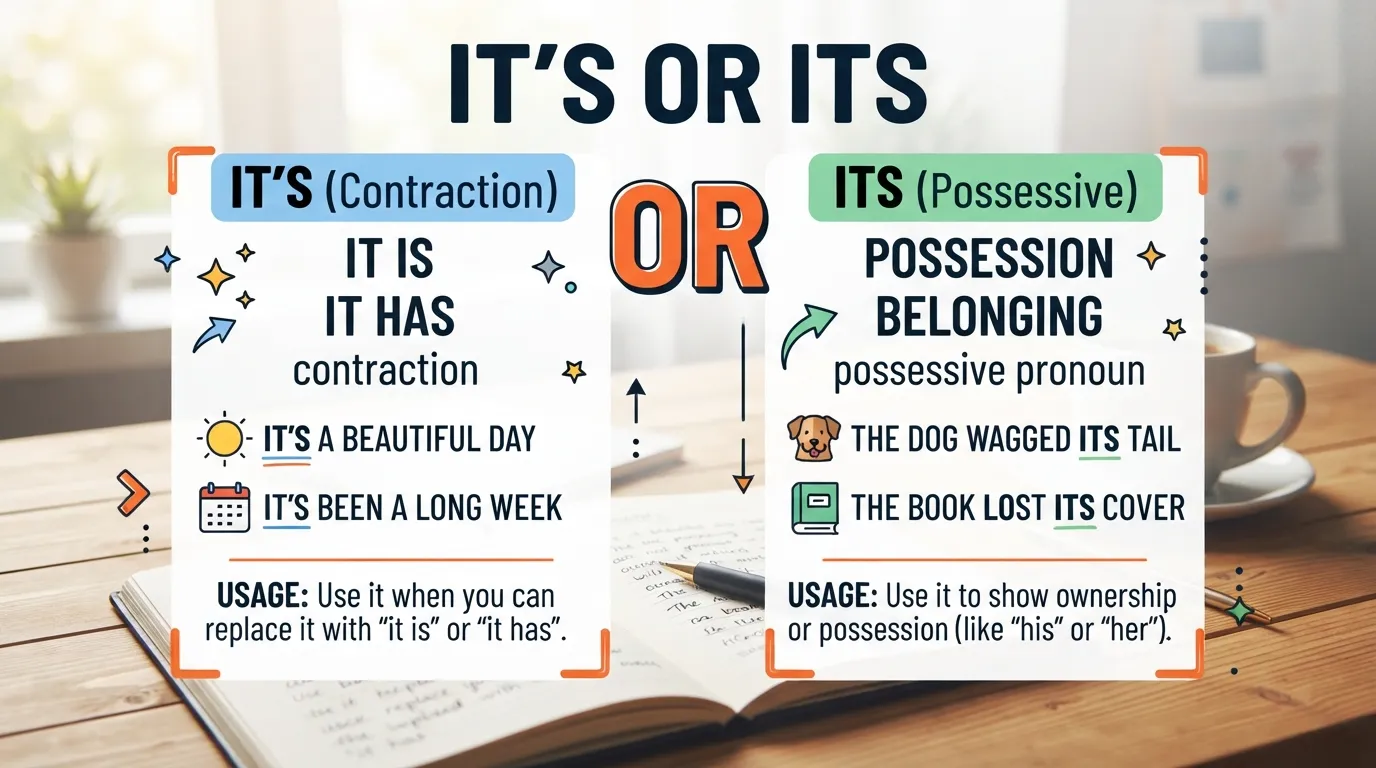
You wrote “the dog wagged it’s tail” in an email, and autocorrect didn’t catch the mistake before you hit send. ...
Read more
Use To or Used To: Which One Is Correct?
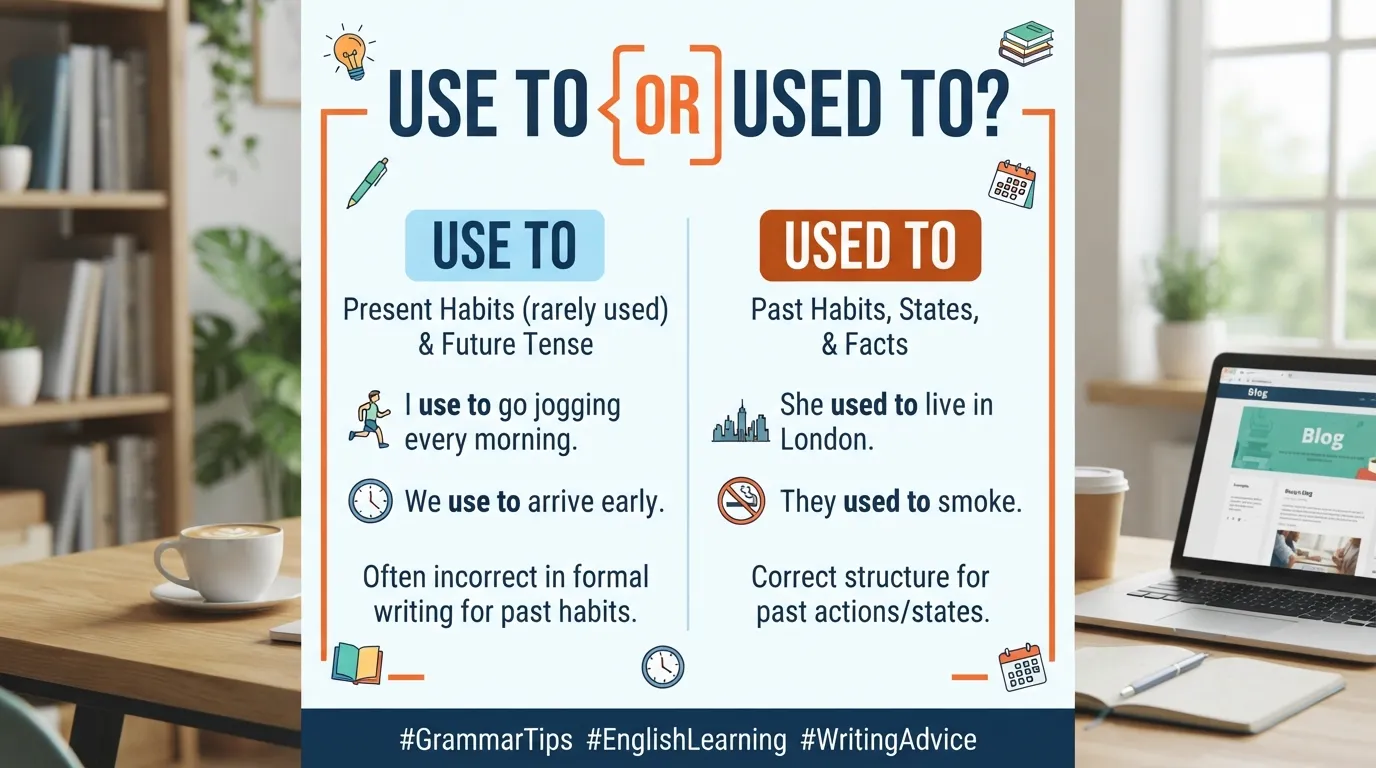
Use To or Used To is a common grammar question in English. “Used to” describes past habits or situations that ...
Read more