Have you ever wondered whether to write theater or theatre? Both spellings are correct, but the one you should use depends mainly on the variety of English you are writing.
Theater is the standard spelling in American English, while theatre is the standard spelling in British English.
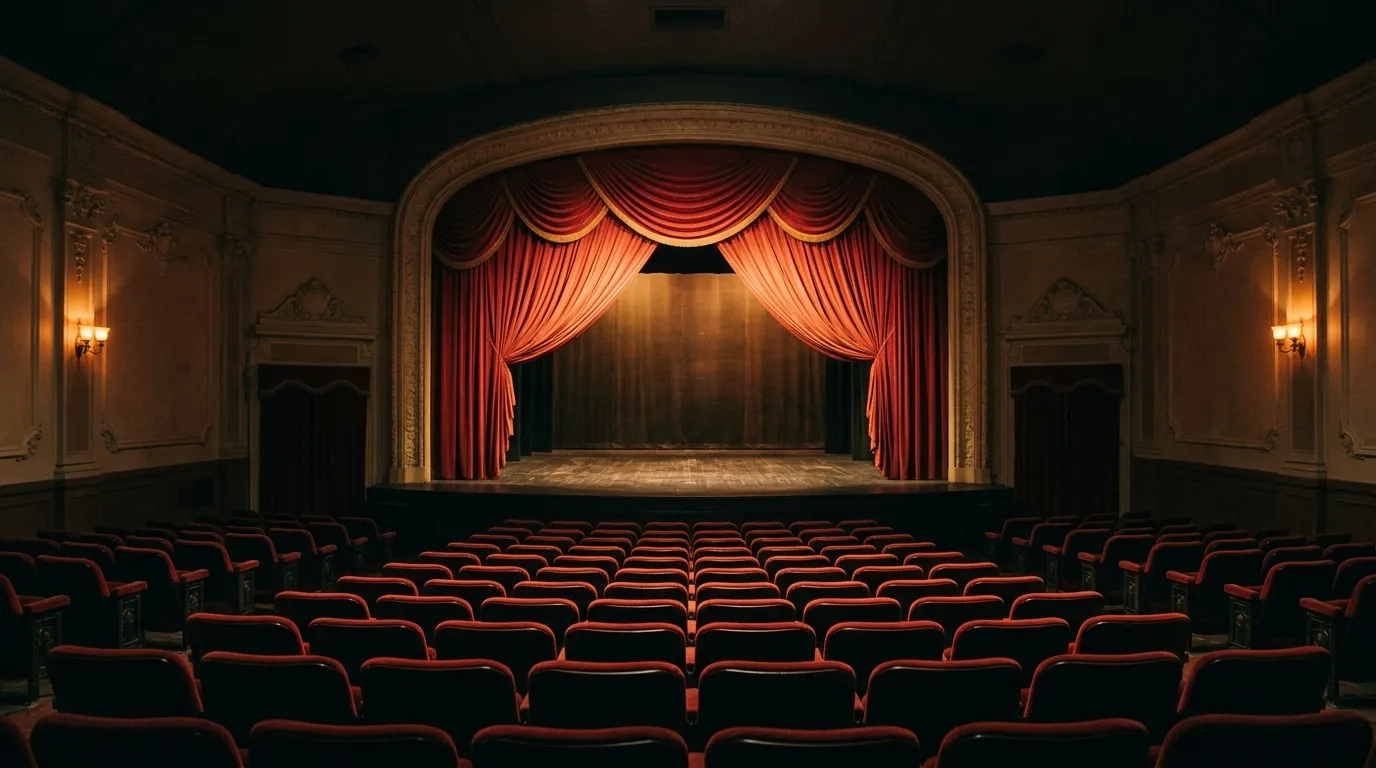
Both words have the same basic meaning. They can refer to a place where people watch performances, the art of acting and producing plays, or a venue where films are shown.
For example, an American writer might say, “We went to the movie theater last night.
” A British writer would more commonly use “We went to the theatre” for a live performance, or “We went to the cinema” for a movie.
The difference is similar to color and colour or center and centre. Neither spelling is universally wrong.
The important thing is to choose the version that matches your audience and use it consistently.
In this guide, you will learn the difference between theater and theatre, how to use each spelling, common exceptions, and practical examples to help you choose the right word.
Quick Answer: Theater or Theatre?
Theater is the standard American English spelling. Theatre is the standard British English spelling.
Both are correct and have the same basic meaning. The main difference is regional spelling preference, not grammar.
| Word | Preferred usage | Example |
| Theater | American English | We watched a play at the theater. |
| Theatre | British English | We watched a play at the theatre. |
If your audience is primarily in the United States, use theater. If you are writing in British English, use theatre.
There is one important exception: official names. A venue in the United States might use Theatre in its name, while a British organization might use Theater. Keep the official spelling when referring to a particular place, company, or institution.
Quick Rule
American English uses theater; British English uses theatre. Follow your audience’s spelling conventions and keep your writing consistent.
What Does Theater or Theatre Mean?
Theater and theatre are nouns with the same basic meaning. They can refer to a building or room where people watch performances, the art of producing plays, or the activity of performing for an audience.
According to the Cambridge Dictionary’s entry for theater, theater is the US spelling of theatre. The dictionary recognizes the two forms as regional spelling variants.
The word can be used in several contexts.
1. A Place Where People Watch Performances
A theater or theatre can be a building with a stage, seats, lighting, and sound equipment. People visit it to watch plays, musicals, dance performances, and other live shows.
Examples:
- We bought tickets for the theater.
- The theatre was full on opening night.
- The actors arrived at the theater early.
- Our school has a small theatre for performances.
In these examples, the word refers to the physical place where a performance takes place.
2. The Art of Performing Plays
The word can also refer to the art or profession of writing, producing, directing, and performing plays.
Examples:
- She wants to study theater at college.
- He has a strong interest in theatre.
- The students learned about theater history.
- My cousin enjoys working in the theatre.
Here, the word describes the performing art rather than a particular building.
3. A Place Where Movies Are Shown
In American English, movie theater is a common term for a place where people watch films on a large screen.
Examples:
- We went to the movie theater on Saturday.
- The new movie will open in theaters next week.
- There is a movie theater near my house.
In British English, cinema is generally more common for this meaning.
For example: “We went to the cinema on Saturday.”
The difference here involves vocabulary as well as spelling. Although theatre may be used in some British contexts for film venues, cinema is the usual everyday term.
Theater vs. Theatre: Key Differences
The main difference between theater and theatre is the regional spelling convention. Their core meanings are the same.
| Feature | Theater | Theatre |
| Standard spelling | American English | British English |
| Basic meaning | Place for performances or performing art | Place for performances or performing art |
| Common US phrase | Movie theater | Less common as a general US spelling |
| Common UK phrase | Less common in ordinary UK writing | Theatre company |
| Correct in formal writing? | Yes | Yes |
| Correct for schoolwork? | Yes, in US English | Yes, in UK English |
| Correct for professional writing? | Yes | Yes |
| Different pronunciation? | Usually follows the speaker’s accent | Usually follows the speaker’s accent |
Neither version is inherently better than the other. The correct choice depends on the English variety you are following.
If you are writing for an American audience, theater will generally fit better. If you are writing for a British audience, theatre is usually the expected choice.
However, English spelling conventions are not identical across every country. Some regions use a mixture of American and British forms, and individual organizations may follow their own style guides.
When Should You Use Theater?
Use theater when writing in standard American English, unless you are reproducing an official name or following a different required style.
This spelling is common in American books, news articles, educational materials, entertainment writing, and everyday communication.
Examples of Theater in American English
- We went to the theater to watch a new play.
- The movie theater opens at noon.
- She is studying theater at university.
- Our school is organizing a theater festival.
- He works for a local theater company.
- The theater audience applauded loudly.
- They built a new theater downtown.
- My brother enjoys musical theater.
- The theater production received positive reviews.
- She bought tickets for the theater show.
These examples use theater as the preferred American spelling.
Common American Expressions
Here are several expressions you may see in American English:
- Movie theater
- Community theater
- Theater company
- Theater production
- Musical theater
- Theater department
- Theater director
- Theater critic
- Theater audience
- Theater performance
For example, an American student might write, “I joined the theater department because I enjoy acting.”
In American writing, theatre is also possible, particularly in proper names and some artistic or institutional contexts. The standard everyday spelling, however, is generally theater.
When Should You Use Theatre?
Use theatre when writing in standard British English, unless an official name or style guide specifies another spelling.
This spelling is common in British books, newspapers, educational materials, and discussions about live performance.
Examples of Theatre in British English
- We went to the theatre to watch a play.
- The theatre opens its doors at seven.
- She is studying theatre at university.
- Our school is organizing a theatre festival.
- He works for a local theatre company.
- The theatre audience applauded loudly.
- They built a new theatre in the town.
- My sister enjoys musical theatre.
- The theatre production received positive reviews.
- She bought tickets for the theatre performance.
These examples use theatre as the preferred British spelling.
Common British Expressions
Common expressions include:
- Theatre company
- Theatre production
- Musical theatre
- Theatre department
- Theatre director
- Theatre critic
- Theatre audience
- Theatre performance
- Theatre school
- Theatre festival
The example, a British student might write, “I joined the theatre group because I enjoy performing on stage.”
For movies, British speakers commonly use cinema. For example, “We are going to the cinema tonight” sounds natural in everyday British English.
Is Theater or Theatre Ever More Than a Spelling Difference?
In most everyday situations, theater and theatre mean the same thing. Some writers and organizations may use theatre to emphasize live performance or an artistic tradition, while using theater for a building or entertainment venue.
However, this is not a universal rule. Dictionaries recognize the regional spelling distinction, and actual usage varies. You should not assume that the two spellings always have separate meanings.
For example:
- The theater was renovated last year.
- She studies theatre at university.
Both sentences are correct. The spelling difference may reflect the writer’s preferred English variety rather than a difference in meaning.
If you want to express a specific distinction, make it clear through context instead of relying on the final letters alone.
Theater or Theatre in Other English-Speaking Countries
American and British English are the two most familiar standards, but English is used in many countries. Spelling preferences can vary according to local conventions, publishers, schools, and organizations.
United States
Theater is the standard spelling in American English.
Example: “The theater is showing three new movies this weekend.”
United Kingdom
Theatre is the standard spelling in British English.
Example: “The theatre is presenting a new production this month.”
For movies, British speakers generally say cinema.
Australia
Theatre is commonly used in Australian English, particularly in references to live performance and performing arts.
Example: “The theatre company announced its next production.”
For movie venues, cinema is common.
Canada
Canadian English includes influences from both British and American spelling conventions. Theatre is widely used, especially in arts-related contexts, while theater also appears in some names and publications.
If you are writing for a Canadian audience, follow the relevant publication, institution, or organization’s preferred spelling rather than assuming every Canadian source uses one form.
International and Academic Writing
For international audiences, either spelling may be understood. The best approach is to select one English variety and apply it consistently throughout your document.
If a university, employer, publisher, or website has a style guide, follow that guide. Consistency matters more than choosing one form as universally superior.
Theater or Theatre in Official Names
Proper names are an important exception to ordinary spelling preferences.
Some American venues use Theatre in their official names. Others use Theater. The spelling is part of the name, so it should not be changed simply to match American English.
The same principle applies to British and international organizations.
Examples:
- The theater company announced its schedule.
- The Theatre Royal announced its schedule.
- We visited a venue called the Grand Theater.
- She performed at a venue called the Grand Theatre.
The examples illustrate the spelling pattern; actual venue names should always be checked before publication.
When referring to a specific organization, verify the name on its official website. Do not automatically change Theatre to Theater or the other way around.
Common Mistakes to Avoid
Although both spellings are correct, writers can still make mistakes when choosing between them.
Mistake 1: Treating Theatre as Always Wrong
Incorrect assumption: “Theatre is a misspelling of theater.”
Why it is wrong: Theatre is the standard British English spelling and is also used in other varieties of English.
Better approach: Choose the spelling that fits your intended audience.
Mistake 2: Treating Theater as Always Wrong
Incorrect assumption: “Theater is incorrect because British English uses theatre.”
Why it is wrong: Theater is the standard American English spelling.
Better approach: Use theater when following American English conventions.
Mistake 3: Switching Spelling Without a Reason
Example: “The theater opened in May. The theatre has three stages.”
If both sentences refer to the same venue in ordinary prose, switching spelling may look inconsistent.
Better approach: Choose one regional spelling and use it throughout the article, except when preserving proper names.
Mistake 4: Changing an Official Name
If a venue is officially called the Royal Theatre, do not rewrite its name as the Royal Theater just because the surrounding article uses American spelling.
Better approach: Preserve the official spelling of names and titles.
Mistake 5: Confusing Spelling With Meaning
Some writers assume theater means a building and theatre means the art form.
That distinction is not a dependable general rule. Both spellings can refer to a venue or the performing art.
Better approach: Use context to communicate the intended meaning.
An Easy Memory Trick
Remember this simple rule:
America = theater. Britain = theatre.
You can also connect the endings to familiar regional spelling patterns:
- American English: center, theater
- British English: centre, theatre
This is a memory aid, not a rule that applies to every English word. For example, some words have the same spelling in both varieties, and official names can preserve different forms.
Here is another quick method:
- Identify your target audience.
- Choose American or British English.
- Write theater for standard American usage.
- Write theatre for standard British usage.
- Check your document for consistency.
If you remember only one thing, remember that both spellings are correct. Your audience determines which spelling is usually more appropriate.
Practice Quiz: Theater or Theatre?
Test what you have learned with these five questions.
1. Which spelling is standard in American English?
A. Theatre
B. Theater
2. Which spelling is standard in British English?
A. Theatre
B. Theater
3. Which sentence follows standard American spelling?
A. We watched a play at the theater.
B. We watched a play at the theatree.
4. What should you do if an American venue officially uses Theatre in its name?
A. Always change it to Theater.
B. Keep the official name as written.
5. Is theatre always incorrect in American English?
A. Yes.
B. No.
Answers and Explanations
- B — Theater. This is the standard American English spelling.
- A — Theatre. This is the standard British English spelling.
- A — We watched a play at the theater. The sentence uses the correct American spelling.
- B — Keep the official name as written. Proper names should retain their official spelling.
- B — No. Theatre appears in American proper names and some artistic contexts.
If you answered all five correctly, you understand the main spelling difference.
FAQs
1. Is it theater or theatre?
Both spellings are correct. Theater is standard in American English, while theatre is standard in British English. Choose the form that matches your audience and writing style.
2. Is theatre British or American?
Theatre is the standard British English spelling. It is also used in other English varieties, including Australian English, and appears in some American proper names.
3. Is theater American or British?
Theater is the standard American English spelling. It is common in American writing about live performances, movie venues, and the performing arts.
4. Do theater and theatre mean the same thing?
Yes. In most contexts, the two spellings have the same meaning. Both can refer to a performance venue or the art of producing and performing plays.
5. Is theatre wrong in American English?
No. Although theater is the standard American spelling, theatre appears in official venue names and some artistic or institutional contexts.
6. Should I write movie theater or movie theatre?
In American English, movie theater is the usual spelling. In British English, cinema is generally more common for a place where films are shown. Local names and individual usage may vary.
7. Is musical theater or musical theatre correct?
Both are correct. Musical theater is standard in American English, while musical theatre is standard in British English.
8. How do you spell theatre in Canada?
Canadian usage includes both forms, with theatre widely used in arts-related contexts. Follow the spelling conventions of your school, publisher, employer, or intended audience.
9. Does theatre have a different meaning from theater?
Not as a general spelling rule. Both words can refer to the venue or the performing art. Some writers use them differently for stylistic reasons, but this distinction is not universal.
10. How can I remember the difference?
Use this memory trick: America uses theater; Britain uses theatre. Then check your writing for consistency and preserve the official spelling of names.
Conclusion
When choosing between theater and theatre, remember that both are correct English spellings. The main difference is regional preference, not meaning or grammar.
Use theater when writing in standard American English.
Use theatre when writing in standard British English.
For movie venues, Americans commonly say movie theater, while British speakers generally use cinema.
Always preserve the official spelling of a venue, organization, or company name.
If you are writing for a school, business, publisher, or website, follow its style guide.
The easiest way to avoid confusion is to choose your English variety before you start writing and use it consistently.
Once you remember the US -er and UK -re pattern, choosing the correct form becomes much simpler.

Hi, I’m Olivia Harper. I love turning complex English grammar into simple, practical lessons that help readers write and speak with confidence.